
Fund & Asset Management
SinoGulf is an award-winning, fully integrated fund and asset manager operating predominantly
in the development and management of investment grade real estate.
What We Do
Our Portfolio
Our Capabilities
- Capital structure enhancement
- Regulatory and client reporting
- Debt negotiation
- Legal council management
- Risk management and mitigation
- Debt arrangement
- Contract administration
- Performance optimisation
- Fund management
- Legal council management
- Fund performance enhancement
Our Leading Experts
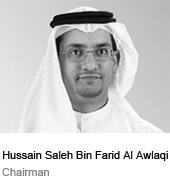
Hussain Saleh Bin Farid Al Awlaqi
“The role of management is to lead through example and provide the impulsion for continued growth and acceptance of challenge”. Hussain is a leading member of the Islamic Finance community…
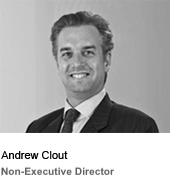
Andrew Clout
Andrew Clout is an experienced Board member and a seasoned financial professional with extensive expertise in the fields of product development and structured finance. He has worked exclusively in the…
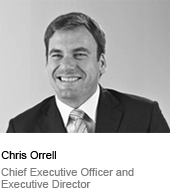
Chris Orrell
Chris started his career with SinoGulf in 2006 as the Chief Operational Officer, responsible for the building of internal capability and operational performance. During his time as COO, SinoGulf attained…
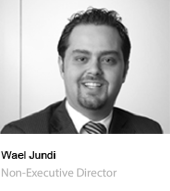
Wael Jundi
Wael has 14 years experiences in financial services and investment management, with a focus on real estate sector. He joined SinoGulf’s Corporate Finance team in 2006 where his main role…
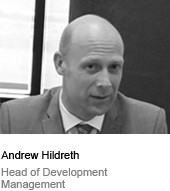
Andrew Hildreth
Andrew joined Helios-SinoGulf in 2009. He has over 20 years experience in the real estate and construction industry. Prior to joining Helios-SinoGulf, he worked for Helios Properties Plc as a…
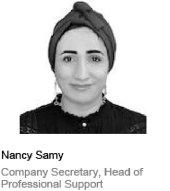
Nancy Samy
Nancy joined SinoGulf in 2008. She has over 10 years of experience in the Administration and Professional Support field. Prior to joining SinoGulf, she worked for FedEx Egypt in a…
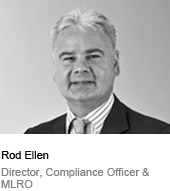
Rod Ellen
Rod has over 15 years’ senior experience in Compliance, most recently as Head of Compliance for HSBC’s Corporate, Investment Banking and Markets Business in the UAE. Rod was previously Head…
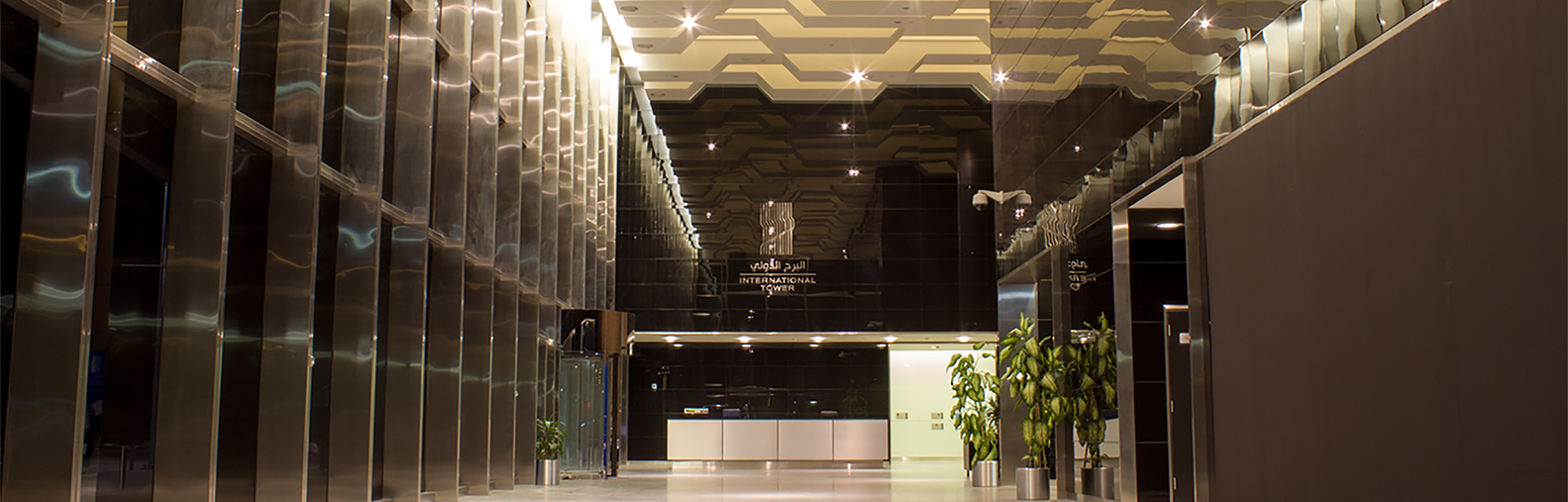
International Tower
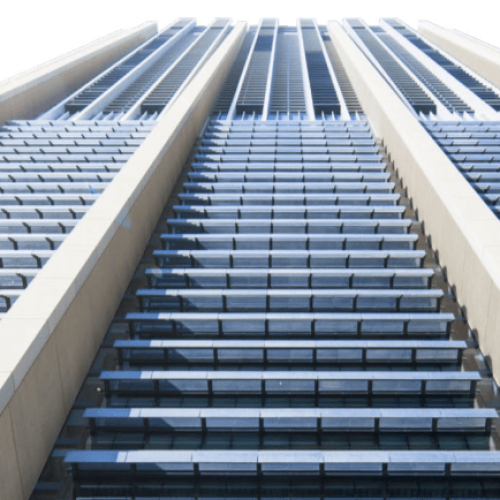
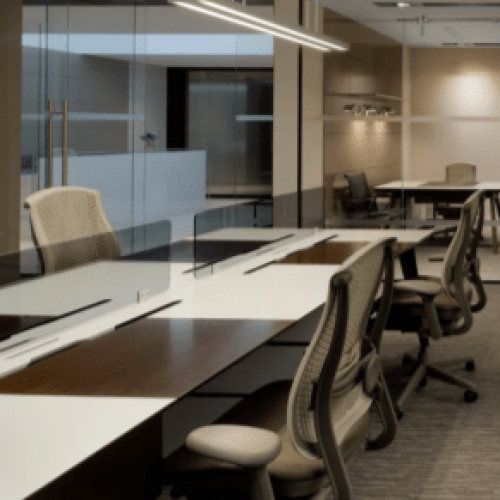
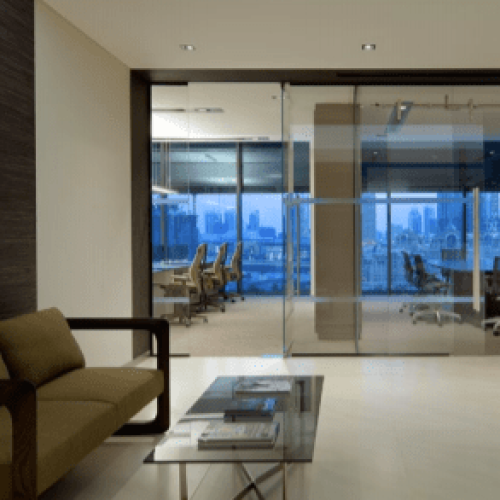
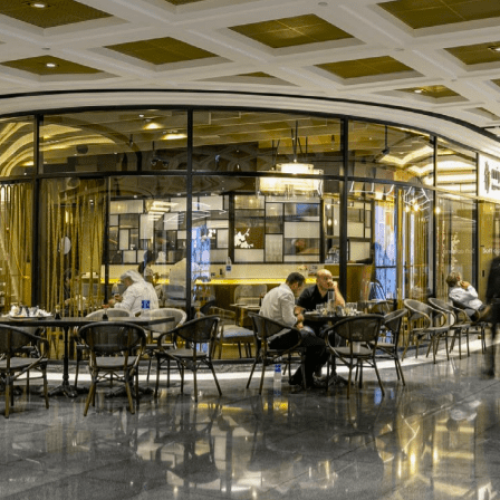
Located in the Capital Centre master plan, International Tower is one of the most desirable office locations in Abu Dhabi. The building provides 40,000 square meters of Grade A offices. The triple volume contemporary lobby, twelve high speed elevators, secure vehicular access, convenience of Starbucks in the lobby and perfect city location have attracted tenants such as AECOM, BAE Aerospace, Abu Dhabi Systems Information Corporation and Ministry of Higher Education. The building was developed by the IndustRE fund, designed by Woods Baggot and completed in 2012.

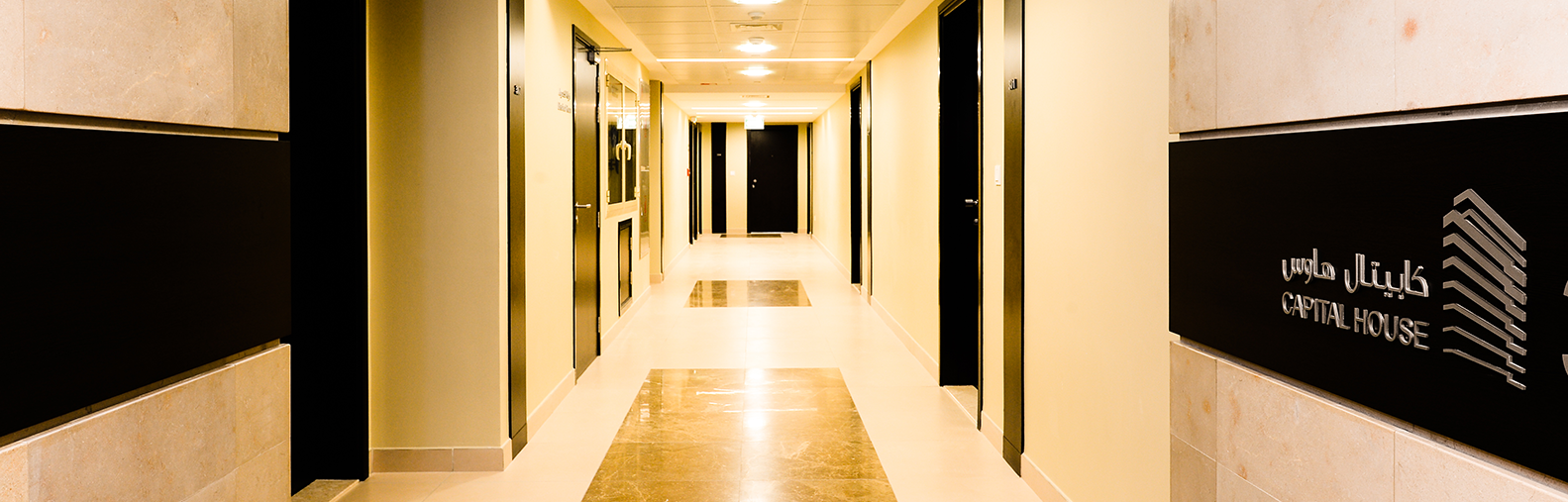
Capital House
Located in the Capital Centre master plan, Capital Centre is a modern, contemporary 332 unit residential development. The building provides superior interior spacing and balconies for all apartments. A modern fully equipped gym, that over looks a 25 meter swimming pool, is located on the podium which is intelligently integrated into the overall design of the building. The building is currently fully leased to Etihad Tower on a ten year lease contract. The building was completed in 2014.
Contact Details
Office 36,Floor 26,
Central Park Office Tower,
Dubai International Financial Centre,
PO Box 49929, Dubai, UAE
Telephone : +971 4 447 0795
Facsimile : +971 4 447 0794
Email : info@sinogulf.com
Suite 103, Jarir Building,
Exit 10, King Abdullah Road,
PO Box 6795, Riyadh 11452,
Kingdom of Saudi Arabia.
Telephone: +966 11 246 9409
Facsimile: +966 11 246 9408